
General Practitioner
General Practitioners (GPs) treat common medical conditions and refer patients to hospitals and other medical services for urgent and specialist treatment.
About GPs
GPs focus on the health of the whole person, combining physical, mental and social aspects of care. They are often the first point of contact for anyone with a health problem and see people either within the practice or at the patient’s home.
GPs need to make swift and effective decisions based on the symptoms presented to them and the patients current and previous medical history. They perform clinical examinations to assess, diagnose and monitor a patient’s condition, carry out tests within the surgery and interpret findings from investigations such as blood tests to help reach a diagnosis.
Work is varied – balancing and treating multiple problems with patients’ general health, independence and social care can be complex and challenging, but also very rewarding.
Salaried GPs are employed by the practice and receive a set alary on a scale according to experience, receiving the benefits of being employed such as sick-pay, holiday and maternity pay. Partnered GPs are self-employed and are effectively running a small business. There is the potential for higher earnings but they do not receive the same statutory employment benefits as salaried GPs. They can influence the future direction of the practice and range of services offered to patients.
GPs have the opportunity to develop special interest within their work – such as diabetes, women’s health, adolescent health and also participate in research and development programmes within the medical sector. The profession offers many opportunities beyond the basic role – such as teaching, mentoring, volunteering in the community or for charities.
Profile
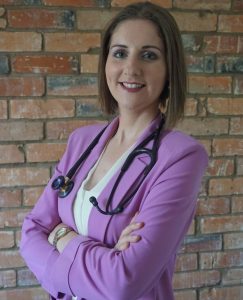
Name: Dr Roxanne Saunders
Job title: Salaried GP
Location: South Wight Medical Practice
“I am really happy working on the Isle of Wight – as well as feeling like I’m on holiday all the time (the beach is just a ten-minute walk from my practice), it also allows me to be part of a close-kit network of medical professionals.
“The Island may be small, but this presents opportunities – such as making it much easier to work collaboratively. Colleagues regularly meet up to discuss training, mentoring opportunities and new ways of working. This has really helped with my personal career development, while also aiding patients who benefit from a more joined up approach.
“I really enjoy my work as a GP, it offers such variety as you never know what each day will bring. It provides challenge, is clinically interesting and is also extremely rewarding.
“Since working on the Island I have become clinical cancer care lead for my PCN, which has helped to open doors as I am regularly liaising with clinical directors – a role I aspire to in the future. I have also specialised in Lifestyle Medicine, achieving a diploma with the British Society of Lifestyle Medicine.
“Having lived on the Isle of Wight for six years now, I am still just as in love with the place as when I arrived and would recommend it to others considering the move. The Island has a magical atmosphere with a relaxing pace of life – yet still well connected to the buzz of city life with Portsmouth and Southampton just across the water and London less than two hours away by train.”
